

Start With the Decision in Front of You
When your Tower Garden pump malfunctions, you face a decision: troubleshoot and potentially repair the existing pump, or replace it. This choice is critical because the pump is essential for circulating nutrient-rich water to your plants. This article will guide you through the key factors to consider when selecting a replacement pump, comparing the general characteristics of original equipment manufacturer (OEM) options versus compatible third-party alternatives, and outlining the necessary checks to ensure you choose a suitable pump for your system.
What Actually Changes the Choice
The primary factors that influence your choice of a replacement pump for a Tower Garden revolve around technical specifications, compatibility, and reliability.
Key Decision Factors:
- Flow Rate (GPH/LPH): This measures the volume of water the pump moves per hour. For most home Tower Gardens, a pump with a flow rate of 350-400 Gallons Per Hour (GPH) is generally recommended to ensure adequate circulation.
- Head Height (Max Head): This is the maximum vertical distance the pump can push water against gravity. It’s crucial for multi-tiered systems like Tower Gardens. It is advisable to select a pump with a maximum head height at least 25-30% higher than the actual required vertical distance to ensure strong flow. General recommendations for home Tower Gardens suggest a head height rating of 5-7 feet.
- Physical Dimensions and Fit: The replacement pump must physically fit within the Tower Garden’s reservoir and connect properly to its plumbing.
- Power Consumption (Watts): This indicates the electrical power required by the pump. Home Tower Garden pumps typically draw 20-35 watts.
- Reliability: The long-term performance and durability of the pump are significant considerations.
- Nature of the Malfunction: Before considering replacement, it’s important to diagnose if the current pump issue is due to clogs (plant roots, debris), electrical problems (power supply, wiring), or dry running.
Quick Decision Checklist: Tower Garden Pump Issues
Review these checks to determine if your pump needs replacement or if troubleshooting is possible. Address the first ‘Yes’ condition before proceeding.
- Is the pump completely non-functional (no sound, no water movement)?
- If Yes: Proceed to check electrical connections and power supply.
- If No: The pump may be partially functional, indicating a clog or air lock.
- Are there visible plant roots or debris clogging the pump intake or impeller?
- If Yes: Unplug the pump, remove it, and thoroughly clean the pump cover, screen, and impeller.
- If No: The issue may be electrical, an air lock, or internal motor wear.
- Is the pump receiving power, but still not circulating water (e.g., humming but no flow)?
- If Yes: Check for air locks or ensure the pump is fully submerged.
- If No: Inspect the power supply, wiring connections, and timer for electrical faults.
- After cleaning and checking electricals, does the pump still fail to operate correctly?
- If Yes: Replacement is likely necessary.
- If No: The issue may be resolved. Monitor pump performance.
A failed troubleshooting step for clogs or electrical issues should end the repair attempt and shift focus to replacement.
This checklist assumes basic troubleshooting can be performed by the user. It does not cover complex electrical diagnostics or internal motor repairs.
Where Each Approach Fits
When considering a replacement pump, you generally have two approaches: opting for an OEM pump from Tower Garden or choosing a compatible third-party pump. Each approach has distinct trade-offs.
OEM Replacement Pumps
Tower Garden offers replacement pumps, including models for the Flex or Home Edition.
- Best Fit Conditions:
- You prioritize guaranteed compatibility and ease of installation, as these pumps are designed specifically for Tower Garden systems.
- You prefer to maintain the original system specifications and performance.
- You value direct support from the manufacturer for replacement parts.
- Poor Fit Conditions:
- You are seeking a pump with different specifications (e.g., higher flow rate or head height) than what the OEM offers.
- You are on a strict budget, as OEM parts can sometimes be more expensive than third-party alternatives.
Compatible Third-Party Pumps
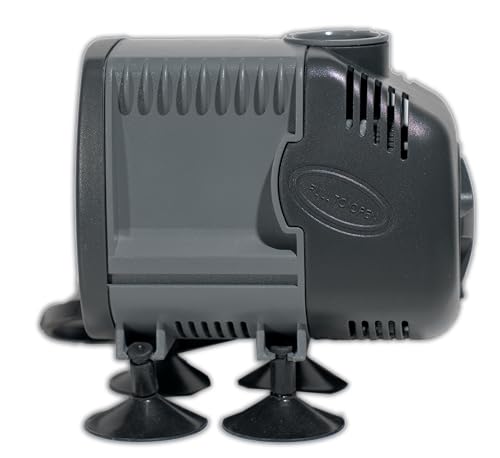
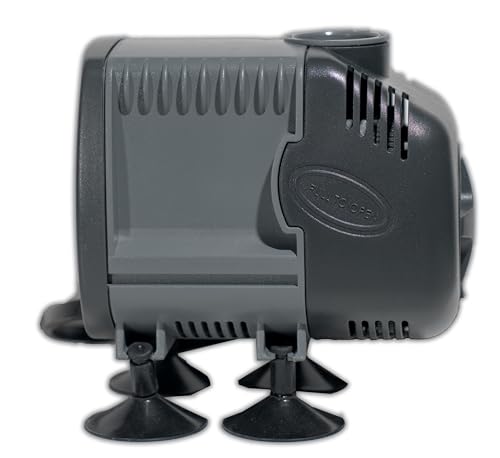
The market offers various submersible pumps that can be compatible with Tower Garden systems. Brands like Sicce are noted for their reliability in aeroponic towers.
- Best Fit Conditions:
- You need specific flow rate, head height, or power consumption that might not be available in OEM options.
- You are looking for a potentially more cost-effective solution.
- You are comfortable verifying specifications and physical fit independently.
- Poor Fit Conditions:
- You are unwilling or unable to verify technical specifications (GPH, head height, wattage) and physical dimensions to ensure compatibility.
- You require direct manufacturer support for the entire Tower Garden system, which might be complicated with a non-OEM pump.
- You are unfamiliar with evaluating pump reliability from various brands.
Buying Criteria Matrix: OEM vs. Compatible Third-Party Pumps
Compare the general characteristics of OEM and third-party pump options against your priorities. Identify which criteria are most important for your specific setup.
| Criterion | OEM Replacement Pumps | Compatible Third-Party Pumps |
|---|---|---|
| Known Compatibility | High; designed for Tower Garden systems. | Varies by model; requires careful verification of specifications and physical fit. |
| Specification Range | Specific to Tower Garden models (e.g., Flex, Home Edition); limited options. | Wider range of GPH, head height, and wattage available across brands. |
| Reliability Reputation | Generally reliable as manufacturer-approved components. | Varies significantly by brand; some brands (e.g., Sicce) are noted for reliability. |
| Availability | Typically purchased directly from Tower Garden or authorized resellers. | Available from various hydroponic and aquatic suppliers. |
| Installation Fit | Designed for straightforward replacement in Tower Garden systems. | Requires checking dimensions, hose connections, and power cord length for proper fit. |
Criteria and constraints, particularly technical specifications and known compatibility, should drive the choice before brand or perceived price.
This matrix provides general comparisons. Specific costs, detailed specifications for individual OEM models, and warranty information are not explicitly detailed in the provided research.
Check Before You Commit
Before finalizing your replacement pump choice, several verification steps are essential to prevent further issues and ensure optimal system performance.
Final Compatibility and Performance Checks:
- Verify Specifications: Double-check the required flow rate (GPH) and head height for your specific Tower Garden model against the specifications of the replacement pump. Remember to account for an additional 25-30% head height margin for strong flow.
- Physical Fit: Measure the dimensions of the pump and confirm it will fit comfortably within your Tower Garden’s reservoir without obstructing other components. Also, ensure the outlet nozzle and hose connections are compatible with your existing tubing.
- Power Requirements: Confirm the new pump’s wattage and voltage match your system’s power supply capabilities.
- Review Troubleshooting Steps: If you haven’t already, perform a thorough troubleshooting of your existing pump. Common issues like clogs from plant roots or debris, or electrical problems with the power supply or wiring, can often be resolved without needing a full replacement.
- Consider Reliability: While specific long-term data is limited, consider the general reputation of the pump brand. Brands like Sicce are noted for reliability in aeroponic systems.
Buyer Decision Tree: Tower Garden Pump Replacement
Follow the path that matches your pump’s current state and your preferences. Each question leads to a specific action or further decision point.
- Is your Tower Garden pump malfunctioning (e.g., no flow, weak flow, intermittent operation)?
- Yes: Proceed to step 2.
- No: If the pump is working, no replacement is needed.
- Is the pump completely dead (no sound, no water movement) or showing a red light?
- Yes: Check power supply, wiring connections, and timer for electrical faults.
- If electrical fault found: Troubleshoot or repair electrical issue.
- If no electrical fault found: Proceed to step 3.
- No: Stop this branch and verify the next applicable requirement before choosing.
- No: Proceed to step 4.
- Yes: Check power supply, wiring connections, and timer for electrical faults.
- Have you thoroughly cleaned the pump (impeller, intake screen) for clogs (roots, debris)?
- Yes: If the pump still fails, replacement is likely needed. Proceed to step 5.
- No: Unplug, remove, and clean the pump. Reinstall and test. If still malfunctioning, proceed to step 5.
- Is water flow weak or intermittent, even after checking for clogs and electrical issues?
- Yes: Check for air locks or ensure the pump is fully submerged. If issue persists, replacement is likely needed. Proceed to step 5.
- No: If the pump is now working, monitor performance.
- Do you prefer a direct manufacturer replacement for guaranteed compatibility?
- Yes: Explore Tower Garden Flex or Home Edition pumps. Verify specifications against your system’s needs.
- No: Explore compatible third-party pumps. Verify specifications (GPH, head height, wattage) and physical fit carefully. Consider brands noted for reliability.
A short decision path helps prevent feature overload and ensures basic troubleshooting is attempted before committing to a replacement.
This decision tree simplifies complex electrical or mechanical failures. If basic troubleshooting fails, professional diagnosis may be required before replacement.
Recommended Products


As an Amazon Associate, we may earn from qualifying purchases.
Final Verdict
Choosing a replacement pump for your Tower Garden depends on accurately diagnosing the original pump’s failure and matching the new pump’s technical specifications to your system’s requirements. If troubleshooting clogs or electrical issues does not resolve the problem, then a replacement is necessary. Prioritize pumps with a flow rate of 350-400 GPH and a head height of 5-7 feet for most home Tower Gardens, ensuring the chosen pump’s head height exceeds your actual vertical lift by 25-30%. While OEM options offer assured compatibility, compatible third-party pumps can provide a wider range of specifications and potentially different price points, requiring careful verification of fit and performance.
Frequently Asked Questions
What are the most common reasons a Tower Garden pump stops working?
Common reasons for a Tower Garden pump to stop working include clogs from plant roots or debris jamming the pump, electrical problems such as issues with the power supply or wiring connections, and air locks or dry running.
What are the critical specifications to consider when buying a replacement pump?
The critical specifications for a replacement pump are flow rate (GPH/LPH), which measures water volume per hour; head height (Max Head), which is the maximum vertical distance the pump can push water; and power consumption (watts). Physical dimensions for proper fit are also essential.
Are Tower Garden OEM pumps the only option for replacement?
No, while Tower Garden offers OEM replacement pumps, compatible third-party submersible pumps can also be used. When considering third-party options, it is crucial to verify that their specifications (flow rate, head height, wattage) and physical dimensions are suitable for your Tower Garden system. Brands like Sicce are noted as reliable submersible pumps used in aeroponic towers.
Sources & Audit Basis
The Editorial Desk’s reader-facing audit basis for this article contains 10 sources: 4 community / forum / social, and 6 other / unclassified. This summary is generated only from the sources listed above; it does not name or count sources that are absent from the visible list. The complete internal ResearchPack may contain additional evidence used during research.

Built on a foundation of professional controlled-environment agriculture data, the GrowersReview Editorial Desk leads our technical system audits. Our focus is on bridging the gap between complex engineering specifications and the everyday home cultivator, ensuring every recommendation is backed by cross-referenced forum feedback, manufacturer datasheets, and real-world yield metrics.