

Before You Buy: How to Choose a Quiet Tower Garden Pump for a Balcony or Indoor Growing Setup
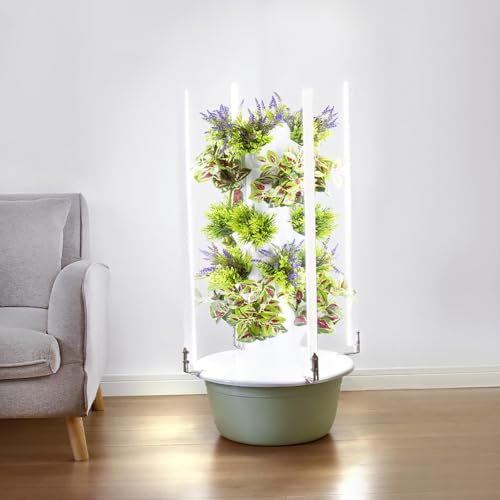
Hydroponic tower systems, such as the Tower Garden, rely on submersible pumps to circulate water and deliver nutrients to plants. When setting up a tower garden indoors or on a balcony, the pump’s operational noise can be a significant concern. Selecting a pump that meets the necessary technical specifications while also minimizing sound output is crucial for maintaining a comfortable living environment. This article outlines the key factors to consider when choosing a pump, with a focus on balancing performance requirements with the desire for quiet operation.
Quick Decision Checklist
Review these essential checks to quickly determine if a pump is fundamentally suitable for your Tower Garden system.
| Requirement | Check | Outcome |
|---|---|---|
| Flow Rate (GPH) | Does the pump’s Gallons Per Hour (GPH) rating meet or exceed your tower’s circulation needs? | A pump rated for 350-400 GPH is typically needed for most home tower gardens, with 200-400 GPH recommended for typical 4-6 foot towers. |
| Head Height | Is the pump’s maximum head height sufficient to push water to the top of your Tower Garden? | Most home tower gardens require a pump with a head height rating of 5-7 feet. |
| Electrical Compatibility | Does the pump’s voltage, amperage, and wattage match your local power supply and system requirements? | The official Tower Garden pump is rated at 120 VAC/60 Hz, 0.65 amps, and 35 watts. Incompatible electrical specifications can damage the pump or pose safety hazards. |
| Physical Fit | Will the pump’s physical dimensions allow it to fit within your Tower Garden reservoir and connect properly to existing plumbing? | Ensure the pump’s size and connection type are compatible to prevent installation issues. |
Ensure basic compatibility first; a pump failing these checks will not function correctly, regardless of other features.
This checklist focuses on functional compatibility, not specific noise levels, which may require further product-specific investigation.
The 3–5 Checks That Matter
When selecting a pump for a Tower Garden, especially in a noise-sensitive environment, several key specifications and considerations are paramount. These factors ensure the pump functions effectively and integrates into your living space.
Gallons Per Hour (GPH)
The GPH rating indicates the volume of water a pump can move per hour. This directly impacts the flow rate and nutrient distribution throughout your vertical growing system. For most home tower gardens, a pump rated for 350-400 GPH is typically required. For a 4-6 foot tower, a range of 200-400 GPH is generally recommended. Insufficient GPH will lead to inadequate water circulation, potentially harming plant health.
Head Height
Head height, or maximum lift, refers to the vertical distance a pump can push water against gravity. It is critical that the pump’s head height rating is sufficient to reach the highest point of your Tower Garden. Most home tower gardens require a pump with a head height of 5-7 feet. Considering back pressure and elevation is important to ensure adequate flow.
Electrical Compatibility
Matching the pump’s electrical specifications—voltage, amperage, and wattage—to your power supply is essential for safe and efficient operation. The official Tower Garden submersible pump, for instance, is rated at 357 US GPH, 0.65 amps, 35 watts @120 VAC/60 Hz. Incompatible electrical specifications can damage the pump or create safety hazards.
Physical Dimensions and Connection Compatibility
The pump must physically fit within your Tower Garden’s reservoir and connect properly to the existing plumbing. Before purchasing, verify the pump’s dimensions and connection types to avoid installation issues.
What Changes the Best Fit
The ideal pump for your Tower Garden can vary based on your specific setup and priorities, particularly when quiet operation is a factor.
Buying Criteria Matrix
Compare these criteria to your specific growing environment and priorities to identify the most suitable pump type.
| Criterion | Description | Why it matters for quiet/indoor use | Key Consideration |
|---|---|---|---|
| GPH (Gallons Per Hour) | The volume of water the pump moves per hour. | Ensures proper nutrient delivery without excessive flow noise if correctly sized. | Match to tower height and plant density. Too high can cause splashing; too low leads to poor circulation. |
| Head Height | The maximum vertical distance the pump can push water. | Ensures water reaches the top of the tower efficiently, preventing strain that could increase noise. | Must exceed the height of your Tower Garden. Account for any bends or restrictions in plumbing. |
| Electrical Specs | Voltage, amperage, and wattage requirements. | Ensures safe and efficient operation, preventing overheating or strain that could generate noise. | Verify compatibility with your power supply (e.g., 120 VAC/60 Hz). |
| Physical Size | The pump’s dimensions. | A compact pump can fit better in the reservoir, potentially reducing vibration against the tank walls. | Ensure it fits within the reservoir without obstruction and allows for proper water level. |
| Noise Level | The sound produced by the pump during operation. | Crucial for indoor or balcony setups where ambient noise is a concern. | Specific noise ratings (e.g., decibels) are not universally provided in general pump specifications. Users may need to consult product reviews or manufacturer details for noise claims, recognizing that perceived quietness can be subjective and influenced by installation. |
Balancing core performance with environmental factors like noise requires careful consideration of available product details.
General technical specifications often do not include standardized noise ratings. Information on quiet operation may be anecdotal or product-specific, and perceived quietness can be subjective.
Balancing Performance with Noise Concerns
While the core specifications (GPH, head height, electrical compatibility, and physical fit) are non-negotiable for pump functionality, the desire for quiet operation introduces an additional layer of consideration. The provided research indicates that specific, universally applicable technical data or design features for *quiet* operation, such as standardized noise ratings (e.g., decibels), are not consistently available in general pump specifications.
Therefore, when quietness is a primary concern, you may need to:
- Investigate individual product descriptions for any manufacturer claims regarding low noise.
- Consult user reviews or community forums for anecdotal evidence of a pump’s noise level in real-world indoor setups. However, be aware that community observations can be subjective.
- Consider that installation methods can influence perceived noise. A pump that vibrates against the reservoir wall, for example, might seem louder than one properly isolated.
It is important to prioritize the functional requirements first, as a pump that doesn’t meet GPH or head height will fail to operate your Tower Garden effectively, regardless of its noise level.
Check Before You Buy
Before finalizing your pump purchase, verify these critical details to ensure compatibility and avoid common issues.
Buyer Decision Tree
Follow the path that matches your current situation to narrow down pump options for your Tower Garden.
- Is the pump’s GPH sufficient for your Tower Garden’s height?
- No: Stop. The pump will not circulate water adequately. Verify GPH and head height requirements for your specific tower.
- Yes: Continue to next step.
- Is the pump’s head height sufficient to reach the top of your Tower Garden?
- No: Stop. Water will not reach the top. Verify head height requirement, considering any back pressure.
- Yes: Continue to next step.
- Is the pump electrically compatible (voltage, wattage) and does it physically fit in your reservoir?
- No: Stop. The pump is incompatible or won’t fit. Verify electrical specifications and physical dimensions.
- Yes: Continue to next step.
- Is quiet operation a primary concern for your indoor/balcony setup?
- No: Decide. Proceed with pump selection based on GPH, head height, and electrical compatibility.
- Yes: Continue to next step.
- Does the pump’s product information or user reviews indicate quiet operation?
- No: Decide. Consider if the pump’s other specifications outweigh the lack of explicit quiet operation claims, or continue searching for alternatives with more noise-related information.
- Yes: Decide. Proceed with pump selection, noting that specific noise levels may still vary by installation and subjective perception.
System compatibility is non-negotiable, while quiet operation requires specific investigation due to varying product information.
This tree provides a general decision framework. Specific noise performance often depends on individual product design, installation, and user environment, which may not be fully captured by general specifications. For a closely related decision, see Should You Upgrade to an Adjustable-Flow Pump for Your Tower Garden?.
Final Specification Match
Double-check the pump’s GPH, head height, and electrical ratings against your Tower Garden’s requirements. The official Tower Garden pump provides a benchmark: 357 US GPH, 0.65 amps, 35 watts @120 VAC/60 Hz. Ensure any replacement pump aligns closely with these figures or is appropriately sized for your specific tower’s height and needs.
Physical Dimensions
Measure the space available in your Tower Garden’s reservoir to ensure the pump will fit without being cramped or obstructing other components. Also, confirm the outlet nozzle size matches your existing tubing or that appropriate adapters are available.
Recommended Products
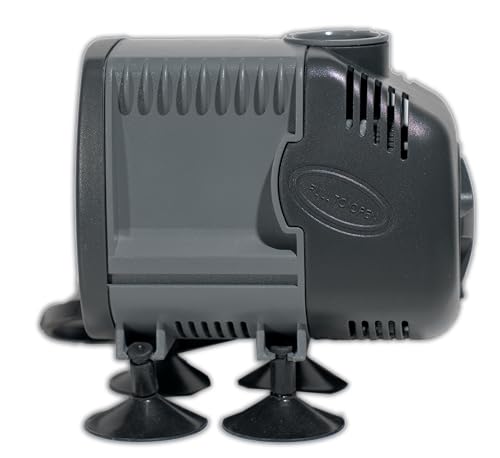
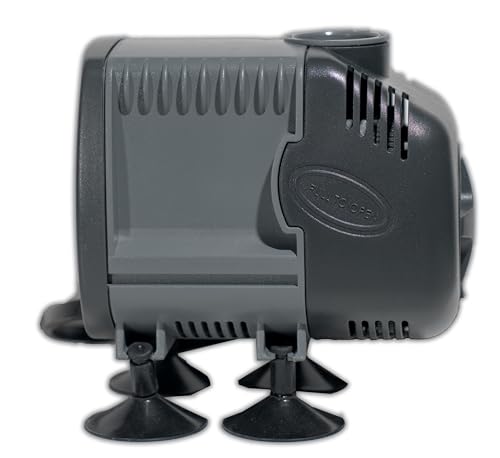
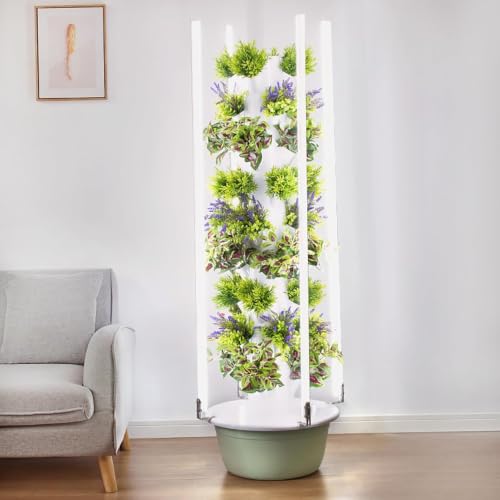
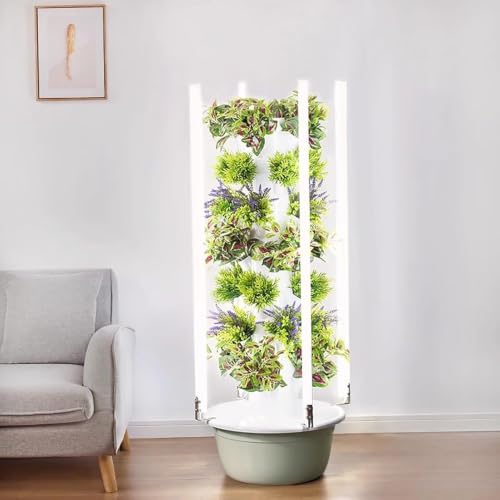
As an Amazon Associate, we may earn from qualifying purchases.
Final Verdict
Choosing a quiet pump for an indoor or balcony Tower Garden requires prioritizing functional compatibility while carefully investigating noise characteristics. First, ensure the pump meets the essential requirements for GPH, head height, electrical compatibility, and physical fit. These are non-negotiable for proper system operation. Once these core criteria are met, if quietness is a primary concern, consult product details and user feedback for indications of low noise, understanding that specific decibel ratings are not always available in general specifications. Be prepared to balance the desire for quietness with the pump’s core performance capabilities, as evidence for universally quiet pump designs is limited.
Frequently Asked Questions
What are the primary risks of choosing the wrong pump for a Tower Garden?
Selecting a pump with insufficient GPH or head height can lead to inadequate water circulation, potentially causing poor plant health or system failure. Incompatible electrical specifications can damage the pump or pose safety hazards. Additionally, a pump that doesn’t physically fit will prevent proper installation.
How does the official Tower Garden pump compare to general recommendations?
The official Tower Garden submersible pump is rated at 357 US GPH, 0.65 amps, 35 watts @120 VAC/60 Hz, and is 6 feet long. This falls within the general recommendation for most home tower gardens, which typically require a pump rated for 350-400 GPH with a head height of 5-7 feet and 20-35 watts of power. For typical 4-6 foot hydroponic towers, a pump between 200-400 GPH with sufficient head height is recommended.
Can pump noise be reduced after installation?
While the inherent noise level of a pump is a design characteristic, some operational noise can be influenced by installation. Ensuring the pump is not vibrating directly against the reservoir walls, using a stable base, and maintaining proper water levels can sometimes help mitigate noise. However, these are general observations and not guaranteed solutions for all pump types or noise sources.
Sources & Audit Basis
The Editorial Desk’s reader-facing audit basis for this article contains 8 sources: 3 community / forum / social, and 5 other / unclassified. This summary is generated only from the sources listed above; it does not name or count sources that are absent from the visible list. The complete internal ResearchPack may contain additional evidence used during research.

Built on a foundation of professional controlled-environment agriculture data, the GrowersReview Editorial Desk leads our technical system audits. Our focus is on bridging the gap between complex engineering specifications and the everyday home cultivator, ensuring every recommendation is backed by cross-referenced forum feedback, manufacturer datasheets, and real-world yield metrics.