

Start With the Decision in Front of You
When your Tower Garden pump malfunctions, the immediate decision is often whether to troubleshoot and repair or to replace it entirely. This article focuses on the latter: selecting a suitable replacement pump. The goal is to guide you through the critical technical specifications and reliability factors necessary to ensure your vertical growing system continues to operate effectively.
The 3–5 Checks That Matter
Before committing to a replacement pump, a few essential checks can quickly narrow down your options and prevent a poor fit. These criteria focus on the pump’s core capabilities and compatibility with your Tower Garden system.
Quick Decision Checklist for Tower Garden Pump Replacement
Use this checklist to quickly determine if a replacement pump meets the essential requirements for your Tower Garden system.
- Is the pump’s flow rate (GPH) between 350-400 GPH?
- Yes
- No (Consider pumps within this range for optimal circulation.)
- Does the pump have a head height rating of at least 5-7 feet, with a 25-30% buffer above your actual vertical lift?
- Yes
- No (Insufficient head height will prevent water from reaching the top of your tower.)
- Are the pump’s physical dimensions compatible with your Tower Garden’s pump compartment?
- Yes
- No (A pump that doesn’t fit cannot be installed.)
- Is the pump from a brand noted for reliability in hydroponic or aeroponic systems?
- Yes
- Unreliable pumps may contribute to frequent failures and system downtime.
Failing any must-have check indicates the pump is likely unsuitable for your Tower Garden.
This checklist assumes a standard home Tower Garden setup. Specific models may have unique requirements not covered here.
What Changes the Best Fit
The ideal replacement pump for your Tower Garden depends on several technical specifications and operational factors. Understanding these criteria helps in making an informed choice that ensures efficient water circulation and system longevity. Key terms for pump selection include flow rate (GPH), head height, and pump sizing.
Key Criteria for Tower Garden Pump Selection
Compare these criteria to your specific Tower Garden model and growing needs to prioritize features for a replacement pump.
| Criterion | Importance | Typical Range (Home Tower Garden) | Impact of Poor Fit |
|---|---|---|---|
| Flow Rate (GPH) | Ensures adequate water circulation to all plant sites. | 350-400 GPH | Inadequate nutrient delivery, poor plant growth due to insufficient water flow. |
| Head Height (Max Head) | Ability to push water to the top of the tower against gravity. | 5-7 feet, with 25-30% buffer | Water may not reach the top of the tower, leading to uneven watering and dry plant sites. |
| Physical Dimensions | Must fit inside the Tower Garden reservoir or pump compartment without obstruction. | Varies by model (specific dimensions not provided in research) | Pump cannot be installed, or obstructs other components, making the system inoperable. |
| Power Consumption (Watts) | Affects energy usage and operating costs. | 20-35 watts | Higher electricity bills, potential strain on your electrical supply. |
| Reliability | Ensures consistent, long-term operation and minimizes system downtime. | Brands like Sicce are noted for reliability. | Frequent pump failures, leading to system downtime, plant stress, and the need for repeated replacements. |
Matching pump specifications to your system’s requirements is more critical than brand or price alone.
This matrix provides general guidance. Actual performance can vary based on system age, water chemistry, and plant density. Specific physical dimensions for Tower Garden pump compartments are not detailed in the provided research.
For most home Tower Gardens, a pump with a 350-400 GPH flow rate, a head height rating of 5-7 feet, and 20-35 watts of power is typically required. Head height refers to the vertical distance the pump needs to push water. It is advisable to choose a pump with a maximum head height at least 25-30% higher than the actual required vertical distance to ensure strong flow. The selected pump model should deliver the necessary flow (GPH) at the specific head height required by the application. Reliability is also a key factor, with certain brands like Sicce noted as reliable submersible pumps for aeroponic towers.
Common reasons for pump malfunction include clogs from plant roots or debris, and electrical problems such as issues with the power supply or wiring connections. Dry running can also damage submersible pumps. Troubleshooting steps often involve unplugging the pump, removing it, cleaning the pump cover and screen, and flushing it with water.
Check Before You Buy
Before finalizing your purchase, verify these critical details to ensure compatibility and long-term satisfaction with your replacement pump.
Tower Garden Pump Replacement Decision Path
Follow the questions to guide your decision-making process for selecting a replacement pump.
- Is your current Tower Garden pump malfunctioning?
- Yes: Proceed to step 2.
- No: No replacement needed at this time.
- Have you thoroughly cleaned the pump and checked electrical connections?
- Yes: Proceed to step 3.
- Troubleshooting steps may include cleaning the pump and checking the power/wiring. Then re-evaluate pump function.
- Is the pump still not operating correctly or intermittently after troubleshooting?
- Yes: Proceed to Replacement Pump Selection (Step 4).
- No: Pump is likely repaired. Continue monitoring system performance.
- Replacement Pump Selection: Do you know the required Flow Rate (GPH) and Head Height for your Tower Garden model?
- Yes: Proceed to step 5.
- No: Consult your Tower Garden manual or manufacturer for exact specifications.
- Does the replacement pump meet or exceed these specifications (with 25-30% head height buffer)?
- Yes: Proceed to step 6.
- No: Find a pump that matches or exceeds your required specifications.
- Do the physical dimensions of the replacement pump fit your Tower Garden’s compartment?
- Yes: Proceed to step 7.
- No: Seek a pump with compatible dimensions.
- Is the pump from a reputable brand noted for reliability in hydroponic or aeroponic systems?
- Yes: Purchase and install the pump.
- No: Verify brand reputation or consider alternatives with established reliability.
A structured decision path helps ensure all critical factors are considered before purchase.
This decision tree assumes you have already performed basic troubleshooting for clogs and electrical connections.
Recommended Products

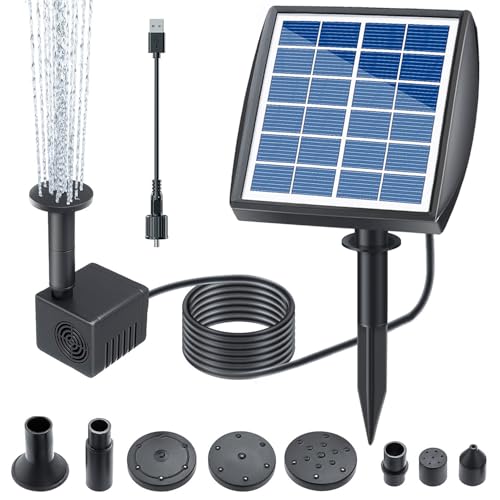
As an Amazon Associate, we may earn from qualifying purchases.
Final Verdict
When choosing a replacement pump for your Tower Garden, prioritize the pump’s flow rate (GPH), head height, and physical dimensions to ensure compatibility and efficient operation. Most home Tower Gardens require a pump delivering 350-400 GPH with a head height of 5-7 feet, and it is prudent to select a pump with a maximum head height 25-30% greater than your actual vertical lift. While both Original Equipment Manufacturer (OEM) and compatible third-party pumps are available, the decision should be driven by these technical specifications and the pump’s overall reliability, rather than brand alone.
Frequently Asked Questions
What are common reasons a Tower Garden pump fails?
Common reasons for Tower Garden pump failure include clogs from plant roots or debris, electrical issues such as power supply problems or faulty wiring connections, and damage from dry running. Regular cleaning and checking electrical connections can help prevent some of these issues.
How do I determine the correct head height for my Tower Garden?
Head height refers to the maximum vertical distance a pump can push water. To determine the correct head height, measure the vertical distance from the bottom of your Tower Garden’s reservoir to the highest point water needs to reach. It is recommended to choose a pump with a maximum head height at least 25-30% higher than this measured vertical distance to ensure strong and consistent flow.
Are OEM pumps always necessary, or can I use a third-party pump?
Tower Garden offers replacement pumps, including models for the Flex or Home Edition. However, compatible third-party hydroponic pumps are also available. The key is to ensure any replacement pump, whether OEM or third-party, meets the critical specifications for flow rate (GPH), head height, power consumption, and physical dimensions required by your specific Tower Garden model. Reliability is also a significant factor.
Sources & Audit Basis
The Editorial Desk’s reader-facing audit basis for this article contains 10 sources: 4 community / forum / social, and 6 other / unclassified. This summary is generated only from the sources listed above; it does not name or count sources that are absent from the visible list. The complete internal ResearchPack may contain additional evidence used during research.

Built on a foundation of professional controlled-environment agriculture data, the GrowersReview Editorial Desk leads our technical system audits. Our focus is on bridging the gap between complex engineering specifications and the everyday home cultivator, ensuring every recommendation is backed by cross-referenced forum feedback, manufacturer datasheets, and real-world yield metrics.