
The promise of automation in hydroponics is efficiency, consistency, and reduced labor. The reality, however, often involves unexpected failures, erratic readings, and the frustrating realization that “set-and-forget” is a marketing myth. Unreliable automation isn’t just an inconvenience; it’s a direct drain on your bottom line, manifesting as yield loss, nutrient waste, and increased operational costs. This guide cuts through the noise, providing a diagnostic framework rooted in hard data to identify, quantify, and resolve common automation system reliability issues.
The Hidden Costs of Unreliable Automation
Before we dive into diagnostics, understand what’s truly at stake. Every erratic pH reading, every missed dosing cycle, every pump failure translates into financial loss. Reduced nutrient availability stunts growth, leading to lower yields. Wasted nutrients from over-dosing or unstable parameters inflate operational expenses. Increased labor hours spent troubleshooting or manually correcting parameters erode the very efficiency automation promised. The goal isn’t just to fix a problem, it’s to restore profitability.
Diagnosing Automation System Reliability Issues: A Data-Driven Approach
Effective diagnosis begins with a systematic, data-backed approach, moving from sensor integrity to mechanical function and controller stability.
Step 1: Baseline Verification & Sensor Integrity Check
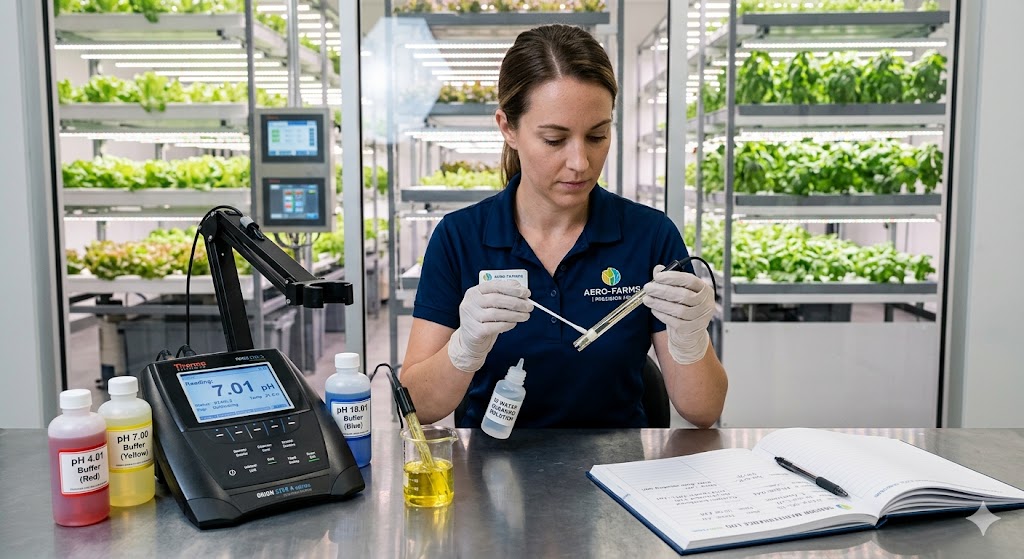
Your automation system is only as good as its sensor inputs. Inaccurate pH and EC readings are arguably the most common and damaging reliability issues.
Problem Symptoms: Erratic pH/EC readings, nutrient solution fluctuations, inconsistent growth across zones.
Diagnostic Questions:
- When was the sensor last calibrated? What were the calibration values?
- Is the sensor clean? Is there visible fouling or damage to the membrane/junction?
- What is the sensor’s typical lifespan, and how old is your current sensor? (pH: 6-18 months; EC: 12-24 months)
- Are there significant temperature fluctuations in the nutrient solution or ambient environment?
Lab Data Application:
The performance_matrix clearly outlines typical lifespans and calibration frequencies. A pH sensor, for instance, has a lifespan of 6-18 months and requires weekly calibration. Ignoring these benchmarks is a direct path to sensor drift and misleading data. Case Study CS-2026-ASR-001 highlights how neglecting weekly pH probe cleaning and calibration led to 1.5-unit pH swings and reduced growth.
Technical Blue Box: Sensor Diagnostics Checklist
- Calibration Records: Maintain a log. Deviations from expected values during calibration indicate drift.
- Physical Inspection: Look for algae, mineral deposits, or visible damage to the probe tip/junction. A clogged junction on a pH probe is a common culprit for erratic readings.
- Storage: Ensure probes are stored correctly between uses or during system downtime (e.g., pH probes in storage solution, not dry).
- Cross-Verification: If possible, use a trusted, manually calibrated handheld meter to verify automated readings. Significant discrepancies pinpoint sensor or controller input issues.
Step 2: Component Performance & Mechanical Integrity
Pumps, valves, and dosing systems are the workhorses of your automation. Their mechanical failures often manifest as inconsistent delivery, flow issues, or complete system shutdowns.
Problem Symptoms: Inconsistent water flow, nutrient solution fluctuations in specific zones, unexplained reservoir level changes, equipment noise.
Diagnostic Questions:
- Are dosing pumps delivering the correct volume? Have they been calibrated recently? (Dosing pump flow rate typically < 1-2% of reservoir volume per dosing cycle)
- Are solenoid valves opening and closing reliably? Is there any debris ingress?
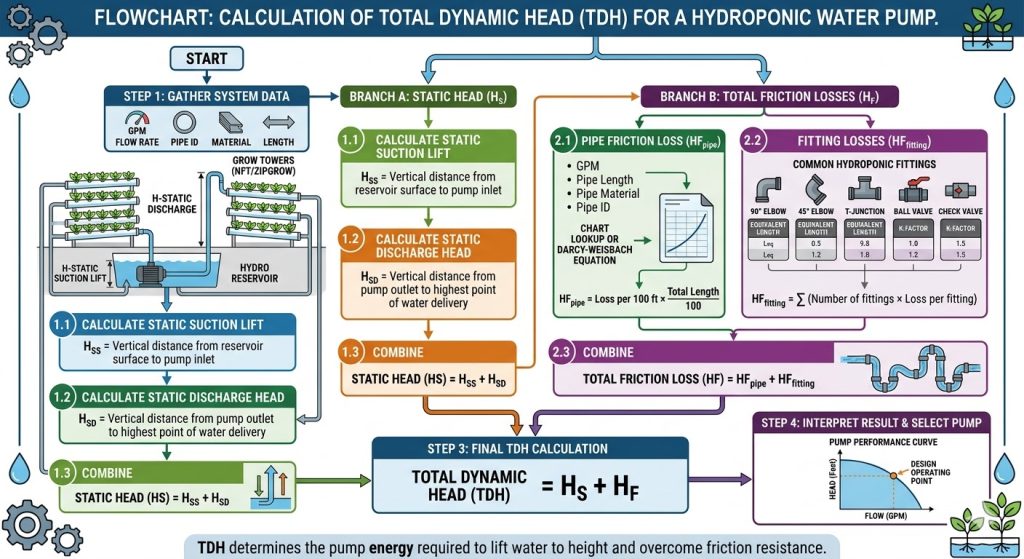
- Are water pumps maintaining adequate flow rate and pressure? Is there cavitation (noise, reduced flow)?
- When were pump tubes or seals last replaced? (Peristaltic pump tubes: 12-24 months; Water pump seals: 24-72+ months)
Lab Data Application:
The performance_matrix details failure modes like “tube wear” for dosing pumps and “seal degradation” for solenoid valves. sizing_guide reminds us that water pump flow rate (2x-10x reservoir volume per hour) is critical, and undersized tubing can increase head loss, stressing pumps. Case Study CS-2026-ASR-002 demonstrates how sticking solenoid valves (due to debris) and water pumps losing prime (due to worn seals) caused intermittent nutrient delivery failures, leading to nutrient deficiencies and stress-induced pest issues.
Technical Blue Box: Mechanical Component Health Indicators
- Dosing Pump Accuracy: Use a graduated cylinder and timer to verify actual output against programmed output. Tube wear is a primary failure mode.
- Valve Operation: Listen for crisp opening/closing. Inspect for leaks or physical obstructions. Inline filters are crucial before solenoid valves to prevent debris blockage.
- Pump Integrity: Check for unusual noises (grinding, cavitation), leaks at seals, or reduced flow. Ensure the pump is rated for continuous duty and proper head pressure.
- Tubing & Connections: Inspect for kinks, cracks, or loose fittings that can cause leaks or reduce flow.
Step 3: Controller & Software Stability
The brain of your system, the automation controller, can also be a source of unreliability, often due to power issues or software glitches.
Problem Symptoms: Automation controller not maintaining stable parameters, sporadic alerts, unexplained system shutdowns, incorrect logging.
Diagnostic Questions:
- Is the controller on a stable power source? Are there frequent power fluctuations or brownouts?
- When was the firmware last updated?
- Is the controller protected from electromagnetic interference (EMI)?
- Are sensor input errors being logged?
Lab Data Application:
The performance_matrix lists “software glitches” and “power supply failure” as primary failure modes for automation controllers, with a typical lifespan of 60+ months. The faq_schema confirms that controller instability can be due to power supply issues or sensor input errors.
Technical Blue Box: Controller & Software Reliability Factors
- Power Quality: Use a UPS or surge protector. Fluctuating power can corrupt data or damage components.
- Firmware: Regularly check for and apply manufacturer firmware updates. These often contain bug fixes and performance enhancements.
- Environment: Protect controllers from extreme temperatures, humidity, and physical shock.
- Error Logs: Regularly review controller error logs. These provide invaluable clues to intermittent issues.
Step 4: Environmental & Systemic Factors
Sometimes, the problem isn’t a faulty component but how the system interacts with its environment or an overlooked design flaw.
Problem Symptoms: Persistent fouling, premature component wear, inconsistent nutrient uptake despite “correct” readings.
Diagnostic Questions:
- What is the quality of your source water? Are high mineral content or contaminants contributing to fouling?
- Is the nutrient solution chemistry stable? (e.g., proper mixing, frequent water replacement)
- Are components rated for the specific environmental conditions (temperature, humidity, dust)?
Lab Data Application:
The performance_matrix notes “environmental sensitivity” for pH sensors (temperature, solution chemistry) and “water quality” for solenoid valves. sizing_guide emphasizes that reservoir volume (minimum 10-15% of canopy footprint) buffers parameter swings. Case Study CS-2026-ASR-002 highlighted how an inadequate system design for a dusty environment led to solenoid valve sticking.
Quantifying Failure: ROI & Yield Impact
Understanding the “why” behind failures is critical, but so is quantifying the “what if.” Unreliable automation directly impacts your return on investment.
Consider a commercial lettuce operation with 500 plants. If pH swings (like in CS-2026-ASR-001) reduce growth by just 5% due to nutrient lockout, and each head yields $1.50, that’s a daily loss of:
500 plants * 5% yield reduction * $1.50/plant = $37.50 per day.
Over a 30-day grow cycle, that’s $1,125 lost per cycle, purely from pH instability.
This doesn’t even account for wasted pH adjustment solutions, increased labor for manual checks, or potential crop loss. Accurate dosing (from a calibrated dosing pump) prevents over-dosing, which can lead to nutrient burn and wasted resources. If you’re over-dosing nutrients by 10% due to an uncalibrated pump, that’s 10% of your nutrient budget literally going down the drain, directly impacting your cost of goods sold.
Technical Blue Box: Calculating the Cost of pH Drift
- Yield Reduction: Estimate average % reduction in yield (weight/quality) due to suboptimal pH.
- Nutrient Waste: Calculate excess nutrient/pH adjuster consumption due to erratic dosing.
- Labor Overhead: Track hours spent troubleshooting, manual adjustments, and sensor replacement.
- Crop Loss: Quantify plants lost entirely due to severe parameter instability.
Sum these costs over a grow cycle or month. This figure represents the direct ROI hit from unreliable automation.
Proactive Maintenance & Strategic Upgrades
Moving beyond reactive fixes requires a proactive maintenance schedule and strategic investment in quality components.
- Scheduled Calibration & Cleaning: Adhere strictly to manufacturer recommendations for sensor calibration (weekly for pH, monthly for EC) and regular cleaning. This is non-negotiable for system accuracy.
- Component Lifespan Tracking: Keep detailed records of when sensors, pump tubes, and other wear-and-tear components were installed. Replace them proactively based on typical lifespans from the
performance_matrix, rather than waiting for failure. - Quality Over Cost: As seen in Case Study CS-2026-ASR-003, investing in low-quality or unverified sensors and controllers inevitably leads to premature failure and significant crop loss. Reputable, industrial-grade components might have a higher upfront cost but offer superior reliability, accuracy, and longer lifespans, translating to a much better ROI.
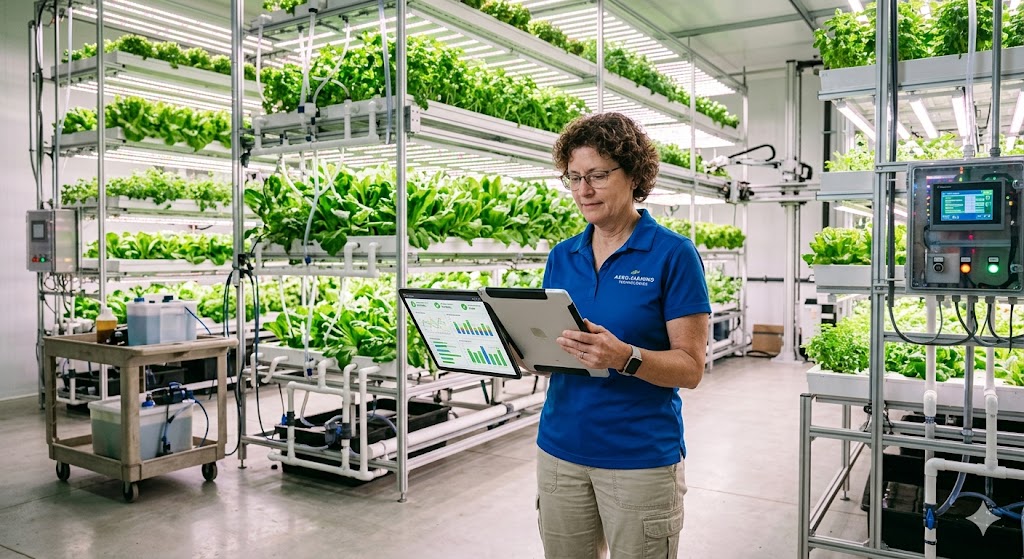
- System Redundancy & Monitoring: Consider backup sensors or advanced data logging capabilities. Trend analysis can detect gradual drift before it becomes a critical failure.
- Environmental Controls: Implement measures to mitigate environmental stressors, such as filtering air to reduce dust, or maintaining stable ambient temperatures.
Final Verdict
Automation in hydroponics is a powerful tool, but it’s not magic. Reliability isn’t an inherent feature; it’s a product of diligent, data-driven diagnostics, proactive maintenance, and strategic investment in quality components. Stop chasing symptoms. Start by verifying your sensor inputs, assessing mechanical integrity, and ensuring controller stability. Quantify the real-world impact of every failure on your yield and costs. Only then can you move from reactive troubleshooting to a truly optimized, profitable automated operation. The data doesn’t lie; use it to cultivate consistent success.

With over 15 years of hands-on experience in controlled-environment agriculture, Angelina leads our lab audits. Her focus is on bridging the gap between high-end agricultural tech and the home grower, ensuring every recommendation is backed by real-world data and yield performance.