
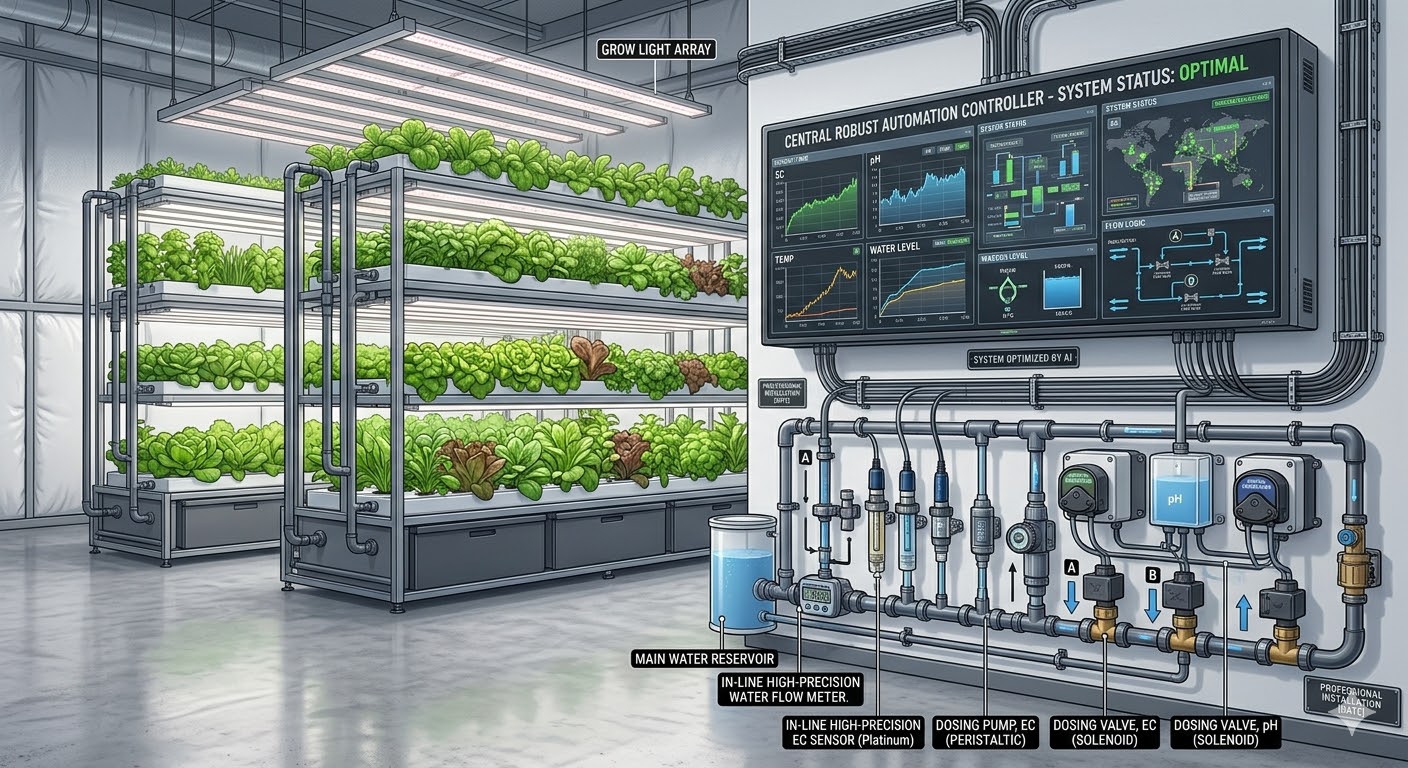
Automation in hydroponics isn’t ‘set-and-forget.’ It’s a meticulously calibrated system where component reliability dictates yield. Expecting flawless operation without understanding failure modes is a direct path to crop loss. This audit dissects common automation failures, backed by data, to solidify your system’s dependability.
Let’s cut through the marketing noise. The promise of ‘set-and-forget’ hydroponics is, frankly, a myth for anyone serious about optimizing yield and minimizing risk. Automation is a powerful tool, but it’s only as reliable as its weakest link. My job is to identify those links, quantify their failure points, and ensure your systems are built on a foundation of robust, predictable performance. We’re talking about preventing costly downtime, crop stress, and the frustration of chasing phantom problems. This isn’t about theory; it’s about empirical data and practical application.
The Core Components of Hydroponic Automation: Failure Modes & Lifespans
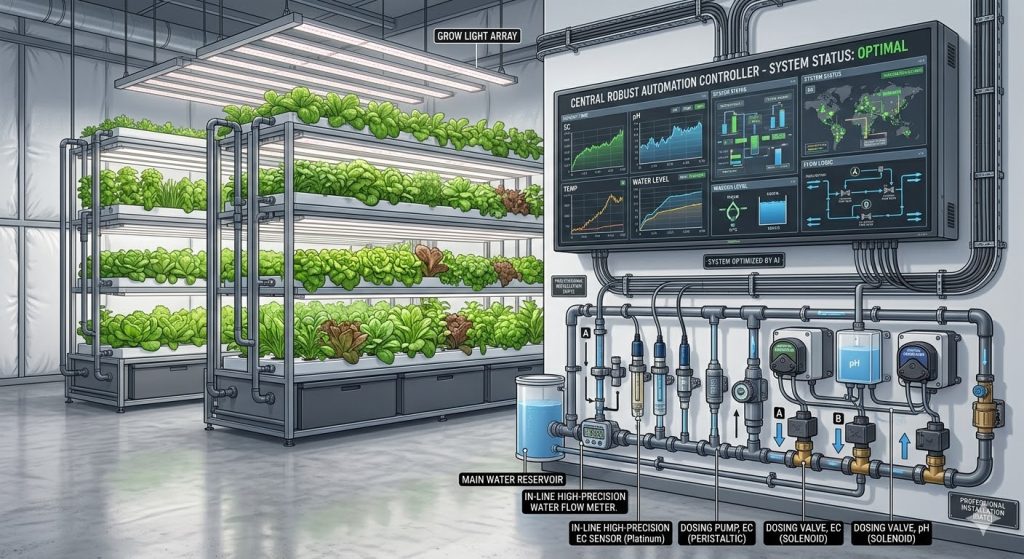
Every automated hydroponic system hinges on a suite of sensors, pumps, valves, and controllers. Each has a finite lifespan and specific vulnerabilities. Ignoring these realities is like building a house on sand.
Performance Matrix: A Data-Driven Look at Component Reliability
This table summarizes the critical components of most automated hydroponic systems, detailing their common failure modes, expected lifespans, calibration needs, and environmental sensitivities. Treat this as your baseline for system design and maintenance.
| Component Type | Primary Failure Mode | Typical Lifespan (Months) | Calibration Frequency (pH/EC) | Environmental Sensitivity | Notes |
|---|---|---|---|---|---|
| pH Sensor | Drift, fouling, membrane damage, junction clogging | 6-18 | Weekly | Temperature, solution chemistry | Requires regular cleaning and proper storage. |
| EC/TDS Sensor | Fouling, electrode corrosion, polarization | 12-24 | Monthly | Solution ionic strength | Ensure proper flow over electrodes. |
| Dosing Pump (Peristaltic) | Tube wear, motor failure, loss of prime | 12-24 | N/A | Ambient temperature | Tube replacement is critical. Check for accuracy. |
| Solenoid Valve | Seal degradation, coil burnout, debris blockage | 24-60+ | N/A | Water quality, pressure | Use water-rated valves. Consider inline filters. |
| Water Pump | Seal failure, motor burnout, impeller wear, cavitation | 24-72+ | N/A | Head pressure, fluid type | Ensure pump is rated for continuous duty. |
| Automation Controller | Software glitches, power supply failure, component aging | 60+ | N/A | Power stability, EMI | Firmware updates are important. Protect from surges. |
| Water Level Sensor | Fouling, corrosion, false readings | 12-36 | N/A | Water conductivity | Different types have varying reliability. |
Understanding Sensor Drift and Fouling
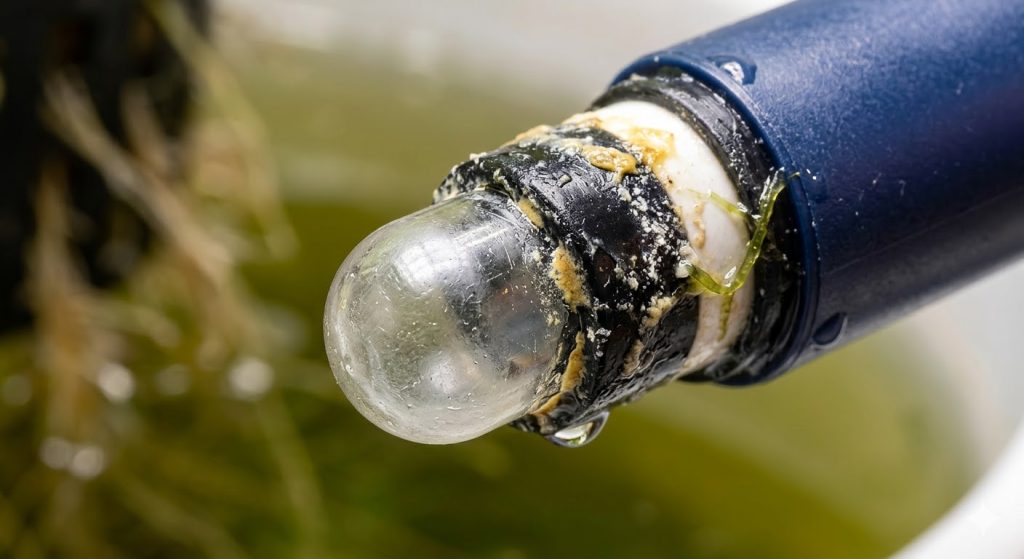
Sensors are the ‘eyes’ of your automation system. If they can’t see accurately, the system acts on bad information. Sensor drift is a gradual deviation from the true value over time. For pH and EC sensors, this directly translates to incorrect measurements, leading the automation system to misinterpret conditions. This can result in improper nutrient dosing, incorrect pH adjustments, and ultimately, plant stress and reduced yield. Fouling, whether from biological growth or mineral precipitation, physically obstructs the sensor, leading to inaccurate readings or complete failure. The FAQ often highlights this: “What is ‘sensor drift’ and how does it affect my system?” The answer is stark: it undermines the entire automation premise.
The Perils of Dosing Pump Inaccuracy
Dosing pumps, typically peristaltic for nutrient delivery, are critical. Their primary failure mode is tube wear, leading to reduced flow rate and inconsistent delivery. If a tube is worn, you’re not delivering the programmed nutrient concentration. This can cause nutrient deficiencies or excesses, both detrimental. Motor failure or loss of prime are less common but equally disruptive. The “CS-2027-ASR-001” case study highlights how a dosing pump struggled to compensate for large pH swings, illustrating the need for both accurate sensing and accurate delivery.
Valve and Pump Vulnerabilities
Solenoid valves and water pumps are the workhorses. Solenoid valves fail due to seal degradation (leading to leaks), coil burnout (total failure), or blockage by debris. Water pumps suffer from seal failure, motor burnout, or cavitation (especially if undersized or experiencing cavitation issues due to improper head pressure). These aren’t minor inconveniences; a stuck valve or failed pump can halt circulation or nutrient delivery to entire sections of your grow.
System Sizing and Design: The First Line of Defense
Reliability starts with a correctly sized and designed system. Over-sizing or under-sizing components, or using inadequate reservoir volumes, creates inherent instability.
The Sizing Guide: Parameters for Predictable Performance
| Component | Parameter to Consider | Typical Range/Guideline | Notes |
|---|---|---|---|
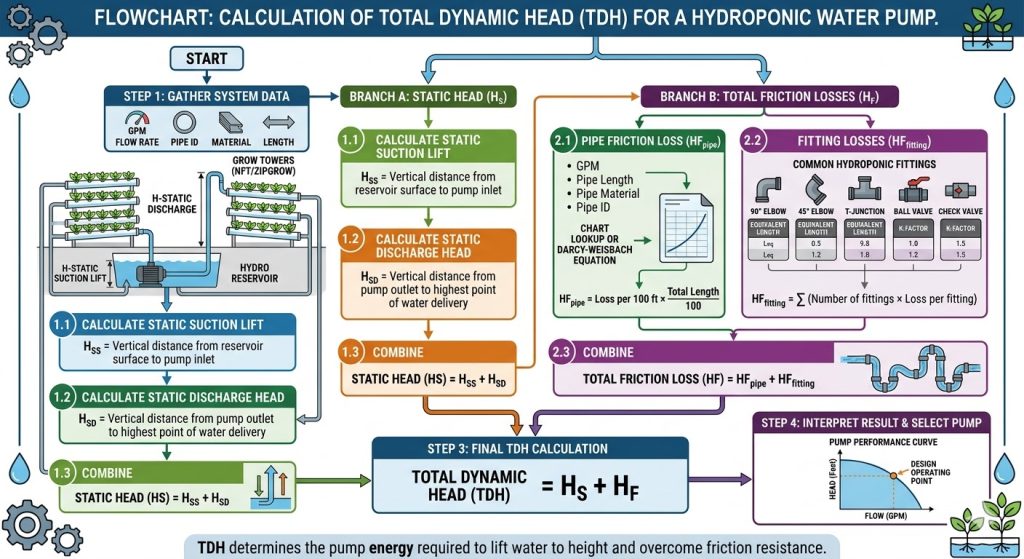
| Water Pump | Flow Rate (LPH/GPH) | 2x-10x reservoir volume per hour (depends on system type) | Account for head loss (vertical lift + pipe friction). Too low = poor circulation; too high = cavitation, energy waste. |
| Dosing Pump | Flow Rate (mL/min or L/hr) | Typically < 1-2% of reservoir volume per dosing cycle | Must be accurate and consistent. Peristaltic pumps are common for nutrient dosing. Size for desired injection volume. |
| Reservoir | Volume (L/Gal) | Minimum 10-15% of canopy footprint (more is better) | Larger volumes buffer parameter swings. Consider space for root mass and water uptake. |
| Tubing Diameter | Flow Resistance & Velocity | Match pump outlet/inlet; avoid undersized runs | Undersized tubing increases head loss and reduces flow. Oversized can reduce velocity, leading to settling. |
| Nutrient Concentration | ppm or EC target | Crop-specific (e.g., Lettuce: 600-900 ppm, Fruiting: 1200-2000 ppm) | Varies significantly by growth stage and crop. Monitor actual uptake. |
| pH Target | pH Range | Crop-specific (e.g., Most: 5.5-6.5) | Stable pH is crucial for nutrient availability. Erratic pH indicates system instability. |
Reservoir Volume: The Buffer Against Chaos
A larger reservoir volume (minimum 10-15% of canopy footprint, more is better) acts as a buffer. It dampens rapid swings in pH and EC, giving your automation system more time to react and preventing drastic parameter shifts that stress plants. “CS-2027-ASR-002” noted that infrequent water replacement led to concentrated nutrient pockets, a problem exacerbated by smaller, less buffered reservoirs.
Flow Rate Dynamics: Balancing Circulation and Cavitation
Water pump flow rate is critical. Too low, and you get poor circulation, leading to stagnant zones and nutrient stratification. Too high, and you risk cavitation (bubble formation and collapse within the pump, damaging it) and excessive energy consumption. The 2x-10x reservoir volume per hour guideline is a starting point, but always factor in head loss (vertical lift plus friction in pipes and fittings). Undersized tubing also increases head loss and reduces effective flow.
Common Automation System Failures: Case Studies in Point
Real-world failures provide the most potent lessons. Let’s dissect some.
Case Study CS-2027-ASR-001: Erratic pH Swings in Commercial Lettuce
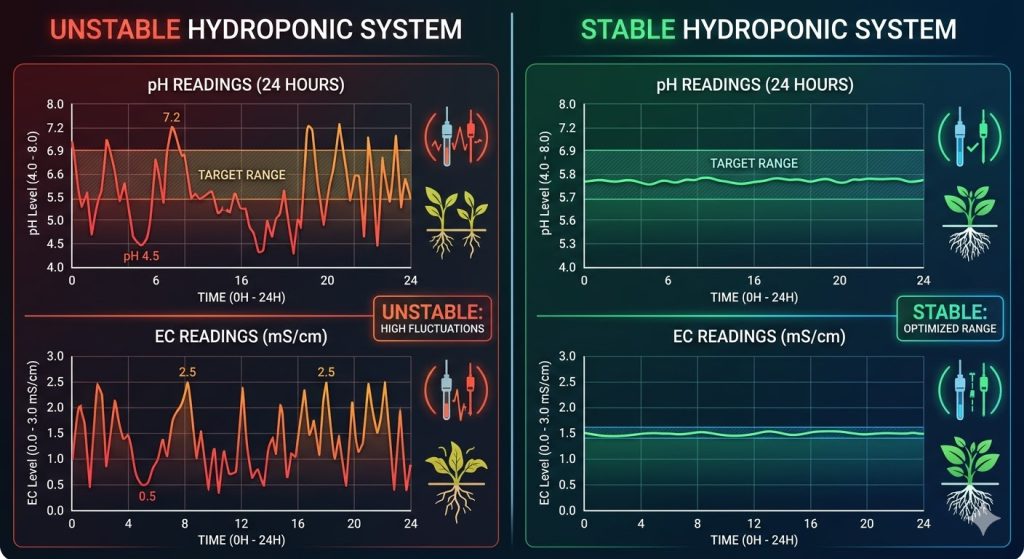
This operation faced daily pH swings of 1.5 units despite automation. The culprit? A continuously submerged pH probe with a clogged junction and degraded membrane, leading to significant sensor drift. The automation system, relying on this faulty input, was constantly over-correcting. The resolution involved a strict weekly cleaning and calibration schedule, plus a backup probe for cross-verification.
Case Study CS-2027-ASR-002: Intermittent Pump Failure in Multi-Tote Delivery
This vertical farm suffered from inconsistent nutrient delivery due to sticking solenoid valves (debris ingress) and water pumps losing prime (worn seals, air leaks). The fix involved inline filters for valves, replacing worn pump seals, and ensuring airtight intake lines. This highlights how environmental factors (dust) and component wear directly impact automation reliability.
Case Study CS-2027-ASR-003: Premature Sensor Failure and Misleading Automation Claims
This beginner grower fell victim to a ‘set-and-forget’ system with low-quality sensors. The sensors failed prematurely, required constant manual checks, and led to significant crop loss. The root cause was the reliance on unverified components and a lack of understanding regarding sensor maintenance and calibration. This case underscores the danger of “marketing claims about ‘set-and-forget’ systems are misleading.”
Addressing System Instability: Practical Solutions
When parameters become unstable, the first instinct is often to blame the plants. Stop. Look at the equipment.
The Misdiagnosis Trap
“What are the common misdiagnoses for automation system failures?” is a crucial question. Common errors include blaming plant health for equipment failure, assuming a sensor is faulty when it’s just a calibration issue, attributing nutrient problems to deficiency when it’s inconsistent delivery, and overlooking water quality’s impact. Always start with the equipment.
Sensor Management: The Weekly Ritual
“How often should I calibrate my pH and EC sensors?” For automated systems, weekly pH calibration is non-negotiable. EC sensors typically need monthly calibration. High-quality sensors and proper storage extend intervals, but regular checks are paramount. “My sensors fail if left in water continuously. What’s the fix?” The fix is twofold: use sensors rated for continuous submersion (and check their warranty/lifespan), or implement a schedule for removal, cleaning, and proper storage. “Why is my pH meter bouncing erratically?” This is almost always a sensor issue: drift, poor calibration, dirty junction, or environmental interference. Clean, calibrate, and if it persists, replace.
Ensuring Consistent Flow and Preventing Leaks
“What causes inconsistent water flow in my hydroponic system?” As per the FAQ, it’s pump issues (wear, airlocks, low head pressure), blocked lines, or failing valves. Regular inspection, purging air pockets, and ensuring lines are clear are key. “How do I prevent leaks in my hydroponic system?” Secure connections, use appropriate sealing materials, and regularly inspect tubing for wear. Worn grommets or seals are predictable failure points.
Controller Stability: Power and Software
“My automation controller isn’t maintaining stable parameters. Why?” This points to software glitches, unstable power, or sensor input errors. Ensure a stable power source (surge protectors are mandatory), check for firmware updates, and verify all sensor inputs. Electromagnetic interference (EMI) can also be a factor in industrial environments.
The Path to Reliable Automation: Beyond ‘Set-and-Forget’
Achieving reliable automation isn’t about buying the most expensive system; it’s about understanding the science behind it and implementing rigorous maintenance.
Proactive Maintenance: The Unsung Hero
This isn’t a ‘set-and-forget’ game. “Is it safe to use ‘set-and-forget’ hydroponic systems?” Only if you understand that ‘set’ implies initial setup and ‘forget’ implies ongoing monitoring and maintenance. Regular inspection of pumps, valves, tubing, and sensors is critical. Cleaning schedules for reservoirs and components prevent the buildup that leads to failure.
Data-Driven Decisions: Beyond Raw Readings
Don’t just look at the numbers; analyze them. Are your pH readings stable within a tight band (±0.2 units)? Is your EC holding steady, or does it fluctuate wildly? Are your dosing pumps delivering the expected volumes? Consistent, predictable data is the hallmark of a reliable system. Erratic data indicates a problem that needs immediate investigation.
Conclusion: Building a Dependable Automated Hydroponic System
Reliable hydroponic automation is built on a foundation of quality components, correct sizing, and unwavering maintenance. The data presented here, from component lifespans to failure modes and case study analyses, provides the blueprint. Treat your automation system not as a magic box, but as a complex mechanical and electronic ecosystem that requires constant attention. By understanding these failure points and implementing proactive measures, you move from reactive troubleshooting to predictable, high-yield cultivation.
Your goal should be a system where deviations from target parameters are rare, small, and quickly corrected. This is achieved through meticulous calibration, component selection based on reliability data, and a commitment to regular, scheduled maintenance. The ‘set-and-forget’ mentality will always lead to disappointment; the ‘monitor-and-maintain’ approach, however, will lead to consistent, profitable harvests.

With over 15 years of hands-on experience in controlled-environment agriculture, Angelina leads our lab audits. Her focus is on bridging the gap between high-end agricultural tech and the home grower, ensuring every recommendation is backed by real-world data and yield performance.